

Effective leadership is crucial for success in any workplace, and one key trait that sets exceptional leaders apart from the rest is their emotional intelligence. Emotional intelligence refers to the ability to recognize, understand, and manage one’s own emotions, as well as the emotions of others. It is a critical skill for leaders because it enables them to communicate effectively, build strong relationships, and inspire and motivate their teams. In this blog post, we will explore the importance of emotional intelligence in effective leadership and provide practical strategies for developing this critical skill.
Elements of Emotional Intelligence
Emotional intelligence is composed of several elements, including self-awareness, self-regulation, motivation, empathy, and social skills. Let’s take a closer look at each of these components.
- Self-Awareness: This refers to the ability to recognize and understand one’s own emotions, strengths, weaknesses, and values. Leaders with high self-awareness are more likely to make better decisions, communicate more effectively, and build stronger relationships with their team members.
- Self-Regulation: This refers to the ability to manage one’s own emotions and impulses effectively. Leaders who can regulate their emotions are less likely to act impulsively and can respond calmly and thoughtfully during challenging situations.
- Motivation: This refers to the ability to motivate oneself and others towards achieving a common goal. Leaders with high motivation are more likely to inspire and motivate their team members towards achieving the organization’s goals.
- Empathy: This refers to the ability to understand and consider the emotions, needs, and perspectives of others. Leaders who are empathetic are more likely to build strong relationships with their team members, foster collaboration, and create a positive work environment.
- Social Skills: This refers to the ability to communicate effectively, build strong relationships, and work collaboratively with others. Leaders with strong social skills can inspire and motivate their team members towards achieving their goals.
Practical Strategies for Developing Emotional Intelligence
Now that we’ve explored the components of emotional intelligence let’s look at practical strategies for developing this critical skill in the workplace.
- Active Listening: This involves listening attentively to others and seeking to understand their perspectives and emotions. Leaders who actively listen are more likely to build strong relationships with their team members and foster collaboration.
- Mindfulness: This refers to the practice of being present and fully engaged in the present moment. Leaders who practice mindfulness are more likely to manage their own emotions and respond calmly and effectively during challenging situations.
- Conflict Resolution: This involves the ability to resolve conflicts effectively and find mutually beneficial solutions. Leaders who can resolve conflicts effectively are more likely to build strong relationships with their team members and create a positive work environment.
- Communication Skills: This involves the ability to communicate effectively, both verbally and non-verbally. Leaders with strong communication skills can inspire and motivate their team members towards achieving their goals.
- Continuous Learning: This involves a commitment to ongoing personal and professional development. Leaders who prioritize continuous learning are more likely to develop their emotional intelligence skills and become more effective leaders.
Conclusion
Effective leadership requires more than just technical skills and a strong work ethic. Emotional intelligence is a crucial component of modern leadership, allowing leaders to navigate complex interpersonal relationships, manage conflicts, and inspire their teams to work towards a common goal. By developing your emotional intelligence, you can become a more effective leader and take your career to new heights.
Join Our HRD Corp Claimable Training Programs
At Excel Academy, we offer a range of HRD Corp Claimable training programs to help you enhance your emotional intelligence and leadership skills in various fields, including digital marketing, IT, multimedia, and soft skills. Our expert trainers can provide you with the tools and knowledge to become an effective and successful leader. Contact us at 1700-81-5520 or email us at training@excelacademy.my to learn more about our programs and invest in your career today!

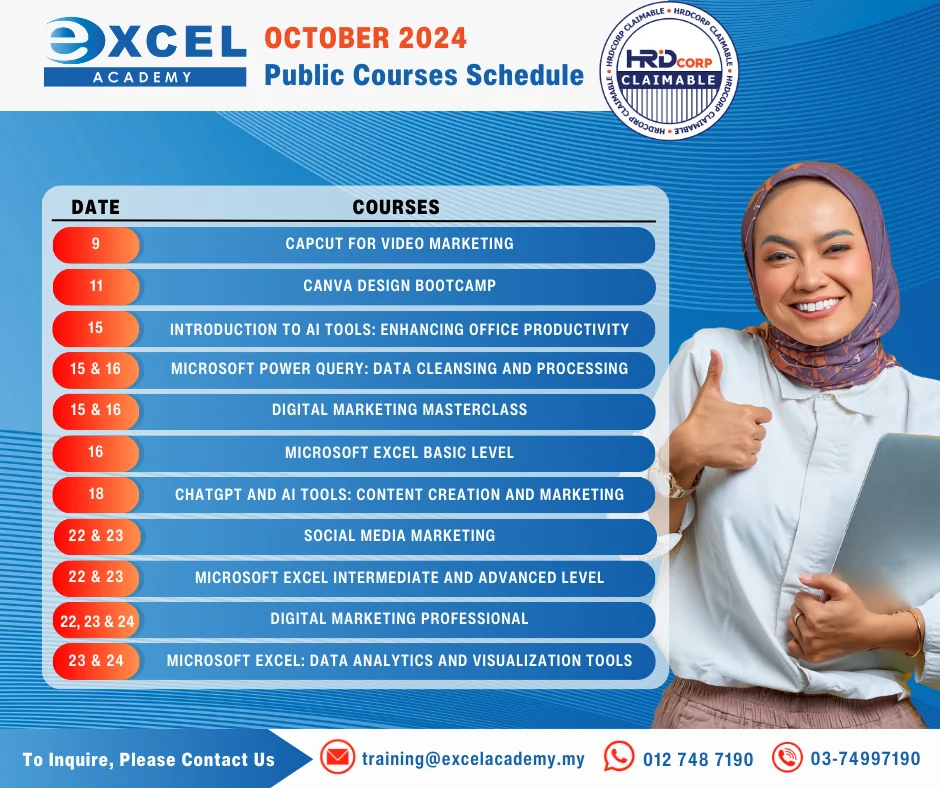
![[HRD Corp Claimable Course] – October – December Trainings](https://www.excelacademy.my/wp/wp-content/uploads/2024/10/HRDCorpClaimableCourse-October-ExcelAcademy-500x383.webp)
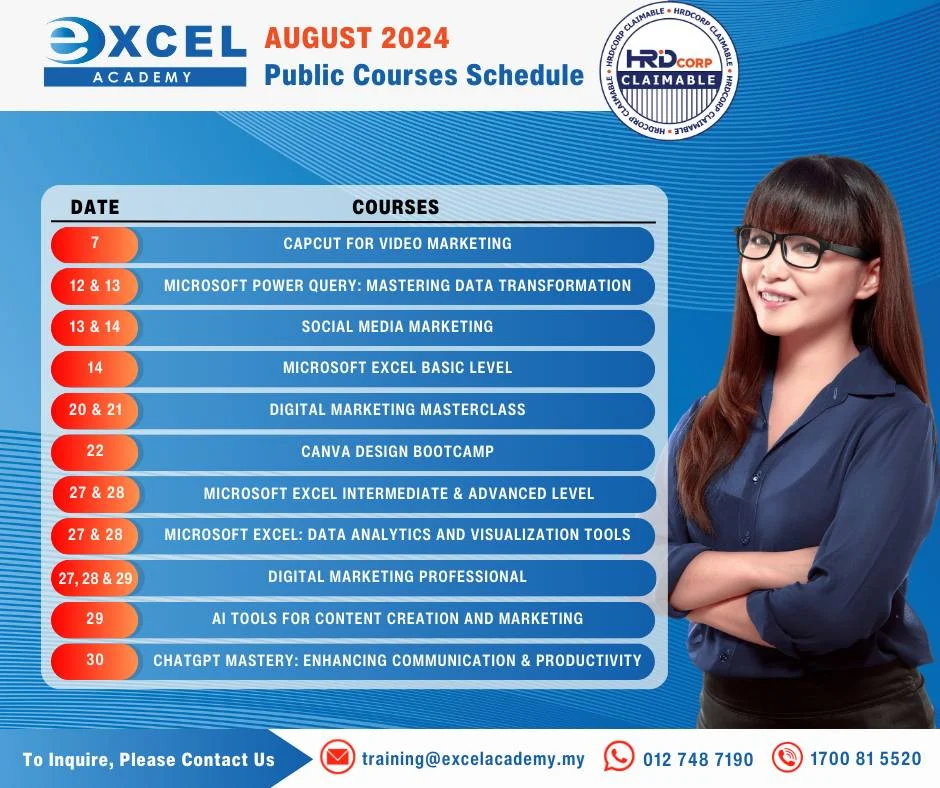
![[HRD Corp Claimable Course] – August-November Trainings](https://www.excelacademy.my/wp/wp-content/uploads/2024/07/HRDCoprClaimableCourse-August-ExcelAcademy-500x383.webp)
![[HRD Corp Claimable Course] Digital Marketing Masterclass](https://www.excelacademy.my/wp/wp-content/uploads/2024/05/HRDCorpClaimableCourse-Digital-Marketing-Masterclass-ExcelAcademy-500x383.webp)
![[HRDCorpClaimable] – In-House Training](https://www.excelacademy.my/wp/wp-content/uploads/2024/05/HRDCorpClaimable-In-House_Training-Excel-Academy-500x383.webp)
![[HRD Corp Claimable Course] – Microsoft PowerPoint Intermediate to Advanced Level for Areca Capital Sdn Bhd](https://www.excelacademy.my/wp/wp-content/uploads/2024/05/HRDCorpClaimable-Microsoft-PowerPoint-Intermediate-to-Advanced-Level-for-Areca-Capital-Sdn-Bhd-500x383.webp)



Leave A Comment