

Engaging millennial and Gen Z employees in training programs requires innovative techniques that cater to their unique learning preferences and expectations. These generations have grown up in a digital era and are accustomed to interactive and dynamic learning experiences. In this article, we will explore several innovative training techniques that can effectively engage millennial and Gen Z employees.
- Gamified Learning
Gamified learning is an excellent way to engage millennial and Gen Z employees who are accustomed to gaming and interactive experiences. By incorporating game elements, such as points, badges, and leaderboards, into training programs, organizations can create a sense of competition and achievement. Gamified learning also provides instant feedback, progress tracking, and rewards, which can increase motivation and engagement.
- Interactive E-Learning
Traditional e-learning methods may not resonate with millennial and Gen Z employees who seek interactive and engaging experiences. Interactive e-learning platforms offer multimedia elements, such as videos, quizzes, simulations, and virtual reality, to make the learning experience more immersive. These platforms provide opportunities for active participation and allow employees to learn at their own pace, increasing engagement and knowledge retention.
- Bite-Sized Microlearning
Millennial and Gen Z employees prefer bite-sized and on-demand learning experiences. Microlearning is a technique that delivers content in short, focused bursts, making it easier to digest and retain information. By breaking down complex topics into smaller modules, organizations can provide targeted training that aligns with the short attention spans of these generations. Microlearning can be delivered through videos, podcasts, infographics, or mobile apps, making it accessible and convenient.
- Social Learning
Millennial and Gen Z employees thrive in collaborative and social environments. Incorporating social learning techniques in training programs can enhance engagement and knowledge sharing. Platforms like discussion forums, online communities, and social media groups can facilitate peer-to-peer learning, where employees can exchange ideas, ask questions, and provide feedback. Social learning encourages active participation, builds a sense of community, and leverages the collective knowledge and experiences of employees.
- Mobile Learning
Millennial and Gen Z employees are digitally connected and rely heavily on their mobile devices. Mobile learning leverages this preference by providing training materials and resources accessible on smartphones and tablets. Mobile learning allows employees to access training content anytime, anywhere, fitting seamlessly into their busy schedules. It can include mobile apps, podcasts, or responsive websites, ensuring a personalized and convenient learning experience.
- Virtual Reality (VR) and Augmented Reality (AR)
VR and AR technologies offer immersive and interactive learning experiences that captivate millennial and Gen Z employees. These technologies simulate real-life scenarios, enabling employees to practice skills and problem-solving in a safe environment. For example, VR can be used for simulated customer interactions, equipment operation, or emergency response training. The hands-on and experiential nature of VR and AR enhances engagement, knowledge retention, and application of learned skills.
- Personalized Learning Paths
Millennial and Gen Z employees value personalization and individualized experiences. Offering personalized learning paths tailors the training content and delivery based on employees’ specific needs, interests, and skill gaps. Personalization can be achieved through adaptive learning platforms that use algorithms to assess employees’ performance and provide targeted recommendations for further development. This approach ensures that employees receive relevant and customized training, enhancing engagement and motivation.
- Video-Based Training
Video-based training is a highly engaging and accessible format that resonates with millennial and Gen Z employees. Training videos can be created in various formats, such as animated explainer videos, recorded webinars, or interactive video modules. Video-based training provides visual and auditory stimulation, allowing employees to grasp information more effectively. It also enables storytelling, demonstrations, and real-life examples, making the training content relatable and engaging.
In conclusion, engaging millennial and Gen Z employees in training programs requires innovative techniques that align with their preferences for interactive, dynamic, and personalized learning experiences. It’s important for organizations to adapt their training strategies to cater to the unique needs and expectations of these generations. By investing in innovative training techniques, organizations can create an environment that supports the growth and development of millennial and Gen Z employees, ultimately driving their success and contributing to the overall success of the organization in a rapidly changing business landscape.
If you’re interested in developing your team’s skills, consider enrolling in our HRD Corp Claimable training programs in various fields including digital marketing, IT, multimedia, soft skill, and more. Contact us at 1700-81-5520 or email us at training@excelacademy.my for more information.

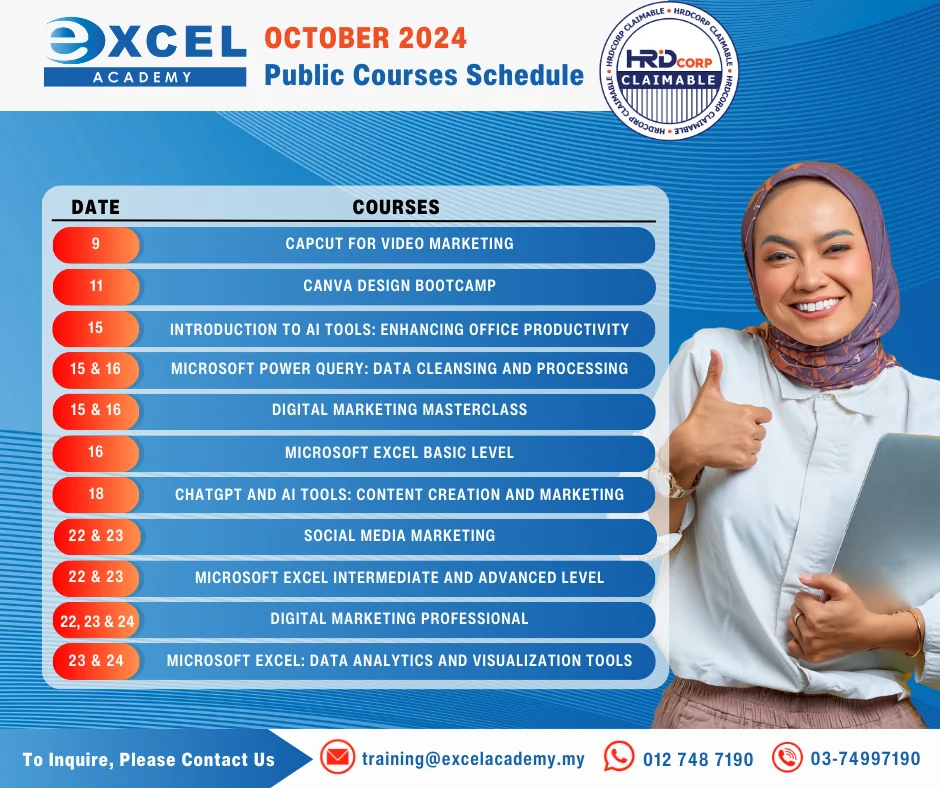
![[HRD Corp Claimable Course] – October – December Trainings](https://www.excelacademy.my/wp/wp-content/uploads/2024/10/HRDCorpClaimableCourse-October-ExcelAcademy-500x383.webp)
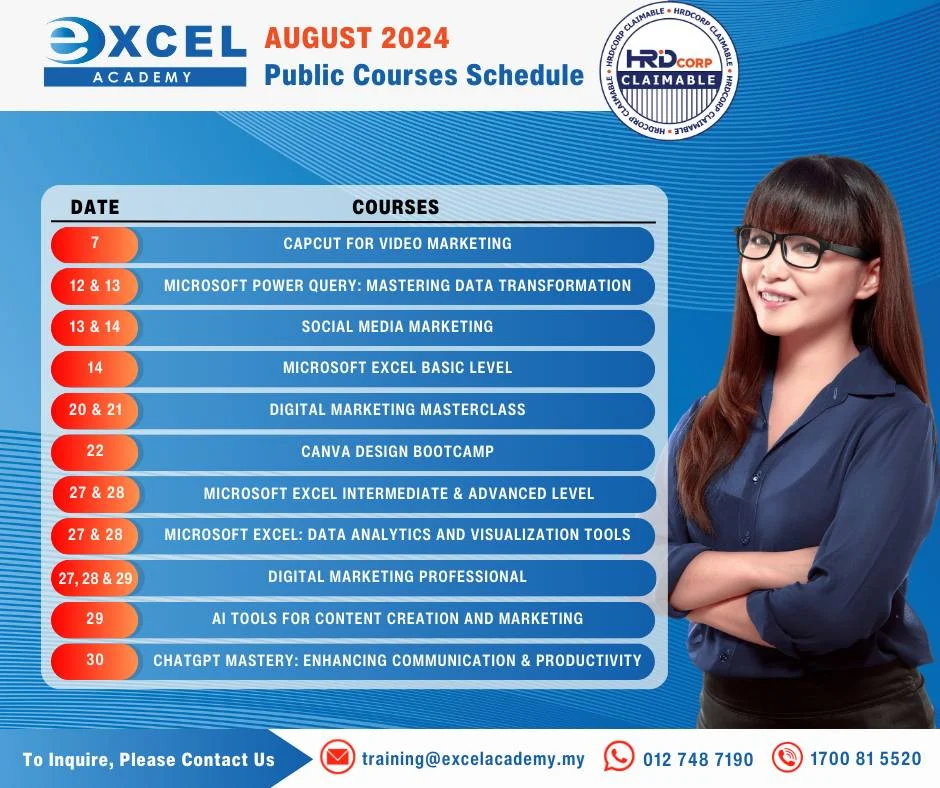
![[HRD Corp Claimable Course] – August-November Trainings](https://www.excelacademy.my/wp/wp-content/uploads/2024/07/HRDCoprClaimableCourse-August-ExcelAcademy-500x383.webp)
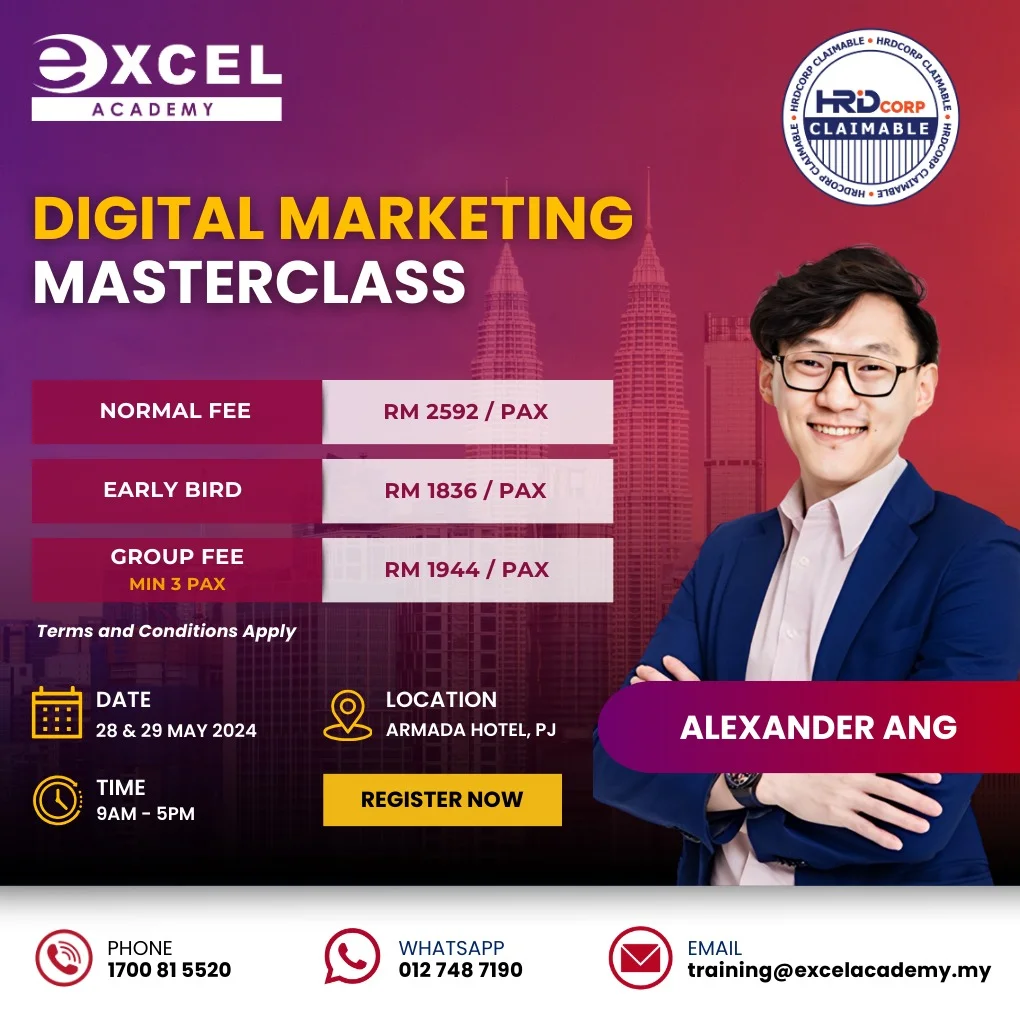
![[HRD Corp Claimable Course] Digital Marketing Masterclass](https://www.excelacademy.my/wp/wp-content/uploads/2024/05/HRDCorpClaimableCourse-Digital-Marketing-Masterclass-ExcelAcademy-500x383.webp)
![[HRDCorpClaimable] – In-House Training](https://www.excelacademy.my/wp/wp-content/uploads/2024/05/HRDCorpClaimable-In-House_Training-Excel-Academy-500x383.webp)
![[HRD Corp Claimable Course] – Microsoft PowerPoint Intermediate to Advanced Level for Areca Capital Sdn Bhd](https://www.excelacademy.my/wp/wp-content/uploads/2024/05/HRDCorpClaimable-Microsoft-PowerPoint-Intermediate-to-Advanced-Level-for-Areca-Capital-Sdn-Bhd-500x383.webp)
Leave A Comment