

How to Improve Workplace Communication: Simple Tips for Effective Interaction
Effective workplace communication is essential for fostering a positive and productive work environment. It ensures clarity, reduces misunderstandings, promotes teamwork, and enhances overall job satisfaction. In this article, we will explore some simple yet powerful tips to improve communication in the workplace.
1. Introduction
Effective workplace communication is crucial for productivity, teamwork, and job satisfaction. By implementing simple strategies, individuals can enhance their communication skills and create a positive work environment.
2. Active Listening
2.1 Pay Attention and Maintain Eye Contact
When someone is speaking, give them your full attention. Maintain eye contact to show that you are engaged and actively listening. Avoid distractions and interruptions, demonstrating respect for the speaker.
2.2 Show Understanding and Empathy
Demonstrate understanding by nodding, using verbal cues like “I see” or “I understand,” and reflecting on the speaker’s words. Show empathy by acknowledging their emotions and perspective.
2.3 Ask Questions and Seek Clarification
Ask relevant questions to clarify information or gain a deeper understanding. This shows your interest and helps prevent misunderstandings. Avoid assumptions and seek clarification when needed.
3. Clear and Concise Language
3.1 Use Simple and Direct Language
Use plain and straightforward language to ensure clear communication. Avoid unnecessary jargon or complex terms that may confuse others. Keep sentences concise and to the point.
3.2 Avoid Jargon and Technical Terms
Unless you are communicating with a specific technical audience, avoid using industry jargon or technical terms that others may not understand. Choose words that are widely accessible and easily comprehensible.
3.3 Break Down Complex Information
If you need to convey complex information, break it down into smaller, more digestible parts. Use examples or analogies to help others grasp the concepts more easily. Present information in a logical and organized manner.
4. Non-Verbal Communication
4.1 Be Mindful of Body Language
Body language plays a significant role in communication. Maintain an open posture, face the speaker, and avoid crossing your arms. Show attentiveness and interest through appropriate body language.
4.2 Use Facial Expressions and Gestures
Facial expressions and gestures can convey emotions and reinforce your message. Smile, nod, and use hand gestures appropriately to enhance understanding and convey positivity.
4.3 Create a Welcoming Environment
Promote a welcoming environment where everyone feels comfortable expressing their thoughts and ideas. Encourage open dialogue, respect diverse perspectives, and create a safe space for communication.
5. Written Communication
5.1 Use Clear and Structured Emails
When writing emails or other written communication, use clear and concise language. Structure your message with paragraphs and bullet points to make it easier to read and understand. Use proper grammar and punctuation.
5.2 Proofread and Edit
Before sending any written communication, proofread and edit it for clarity and correctness. Double-check grammar, spelling, and formatting to ensure a professional presentation. Take time to review and revise if necessary.
5.3 Utilize Tools for Collaboration
Utilize collaborative tools like project management software or online document sharing platforms to streamline communication and facilitate teamwork. These tools provide a central space for communication and document sharing, enhancing productivity and coordination.
6. Feedback and Constructive Criticism
6.1 Provide Timely and Specific Feedback
Offer feedback in a timely manner to address issues or provide recognition. Be specific about what you appreciate or what needs improvement. Constructive feedback helps individuals grow and develop their skills.
6.2 Use a Positive and Constructive Tone
When giving feedback or constructive criticism, maintain a positive tone. Focus on the issue at hand rather than criticizing the person. Offer suggestions for improvement and support their growth.
6.3 Encourage Two-Way Communication
Promote a culture of two-way communication where individuals feel comfortable sharing their thoughts and ideas. Encourage active participation and create opportunities for open discussions and feedback sessions.
7. Team Building Activities
7.1 Foster Trust and Collaboration
Engage in team-building activities to foster trust and collaboration among team members. These activities can include team outings, virtual team-building exercises, or collaborative projects that encourage cooperation and communication.
7.2 Encourage Social Interaction
Promote social interaction within the workplace by organizing social events or informal gatherings. These interactions create opportunities for individuals to connect on a personal level, leading to stronger working relationships.
7.3 Promote Open Communication Channels
Establish open communication channels, such as regular team meetings, suggestion boxes, or virtual chat platforms. Encourage team members to voice their ideas, concerns, or suggestions openly and create a culture of active listening and respect.
8. Conclusion
Improving workplace communication is a valuable investment for organizations and individuals. By practicing active listening, using clear language, leveraging non-verbal cues, embracing written communication best practices, providing feedback, and fostering teamwork, individuals can enhance communication and create a more harmonious and productive work environment.
Unlock your organization’s full potential with our comprehensive selection of HRD Corp claimable public courses. Our offerings are tailored to meet your unique training needs and can be customized to fit your in-house requirements. Don’t miss out on this opportunity to level up. Contact our expert training consultants today to learn more: Ask us here.

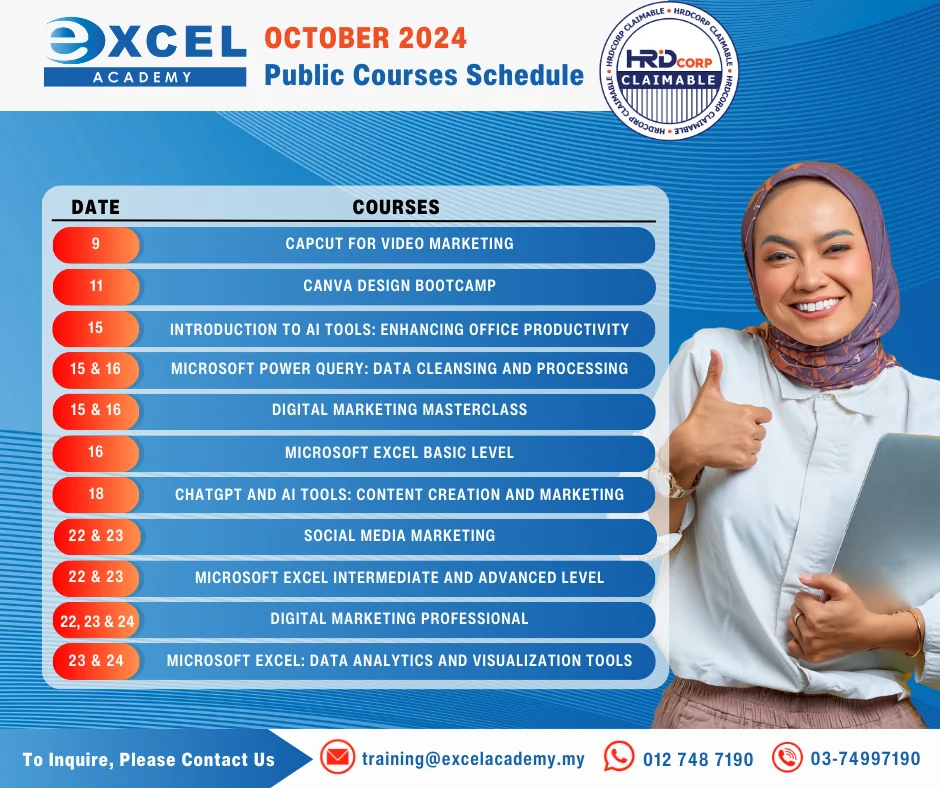
![[HRD Corp Claimable Course] – October – December Trainings](https://www.excelacademy.my/wp/wp-content/uploads/2024/10/HRDCorpClaimableCourse-October-ExcelAcademy-500x383.webp)
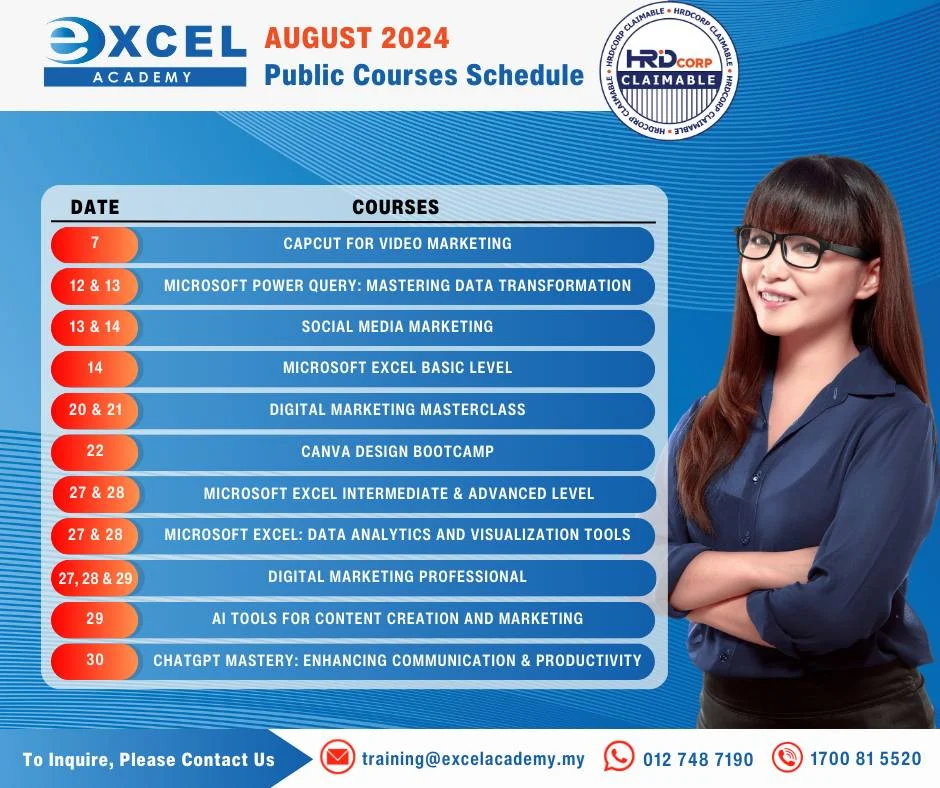
![[HRD Corp Claimable Course] – August-November Trainings](https://www.excelacademy.my/wp/wp-content/uploads/2024/07/HRDCoprClaimableCourse-August-ExcelAcademy-500x383.webp)
![[HRD Corp Claimable Course] Digital Marketing Masterclass](https://www.excelacademy.my/wp/wp-content/uploads/2024/05/HRDCorpClaimableCourse-Digital-Marketing-Masterclass-ExcelAcademy-500x383.webp)
![[HRDCorpClaimable] – In-House Training](https://www.excelacademy.my/wp/wp-content/uploads/2024/05/HRDCorpClaimable-In-House_Training-Excel-Academy-500x383.webp)
![[HRD Corp Claimable Course] – Microsoft PowerPoint Intermediate to Advanced Level for Areca Capital Sdn Bhd](https://www.excelacademy.my/wp/wp-content/uploads/2024/05/HRDCorpClaimable-Microsoft-PowerPoint-Intermediate-to-Advanced-Level-for-Areca-Capital-Sdn-Bhd-500x383.webp)


Leave A Comment