

Conflict is a natural part of any workplace, and it’s essential to learn how to handle it effectively. Unresolved conflicts can lead to lost productivity, high employee turnover, and even legal issues. Therefore, it’s vital to have effective conflict resolution strategies in place to address workplace disputes and build a harmonious work environment.
Here are some effective conflict resolution strategies for the workplace:
-
Communicate Effectively
Effective communication is key to resolving conflicts in the workplace. It’s important to be clear, concise, and respectful when communicating with others. Avoid using accusatory language or being defensive, as this can escalate the situation.
Instead, focus on using “I” statements to express your feelings and concerns. For example, instead of saying, “You’re always late, and it’s affecting the team,” you could say, “I’m concerned about the impact that your lateness is having on our team’s productivity.”
-
Listen Actively
Listening is another critical aspect of effective conflict resolution. Active listening involves paying attention to what the other person is saying without interrupting or judging them. It’s essential to show empathy and understanding while listening to their perspective.
One effective technique is to paraphrase what the other person has said to ensure that you have understood their point of view. For example, you could say, “So what I hear you saying is that you feel frustrated because you don’t feel heard.”
-
Find Mutually Beneficial Solutions
The goal of conflict resolution is to find a mutually beneficial solution that addresses everyone’s concerns. This involves brainstorming ideas and considering multiple perspectives to find a solution that works for everyone.
One effective technique is to use a mediator or neutral third-party to facilitate the conflict resolution process. They can help identify common ground and facilitate the negotiation process to find a mutually beneficial solution.
-
Address the Root Cause
It’s important to address the root cause of the conflict to prevent it from happening again in the future. This involves identifying the underlying issues that led to the conflict and finding ways to address them.
For example, if the conflict arose due to a lack of communication, it may be helpful to implement regular team meetings or communication protocols to prevent similar issues from arising in the future.
In conclusion, effective conflict resolution is essential for maintaining a productive and harmonious work environment. By communicating effectively, listening actively, finding mutually beneficial solutions, and addressing the root cause of the conflict, you can effectively resolve workplace disputes.
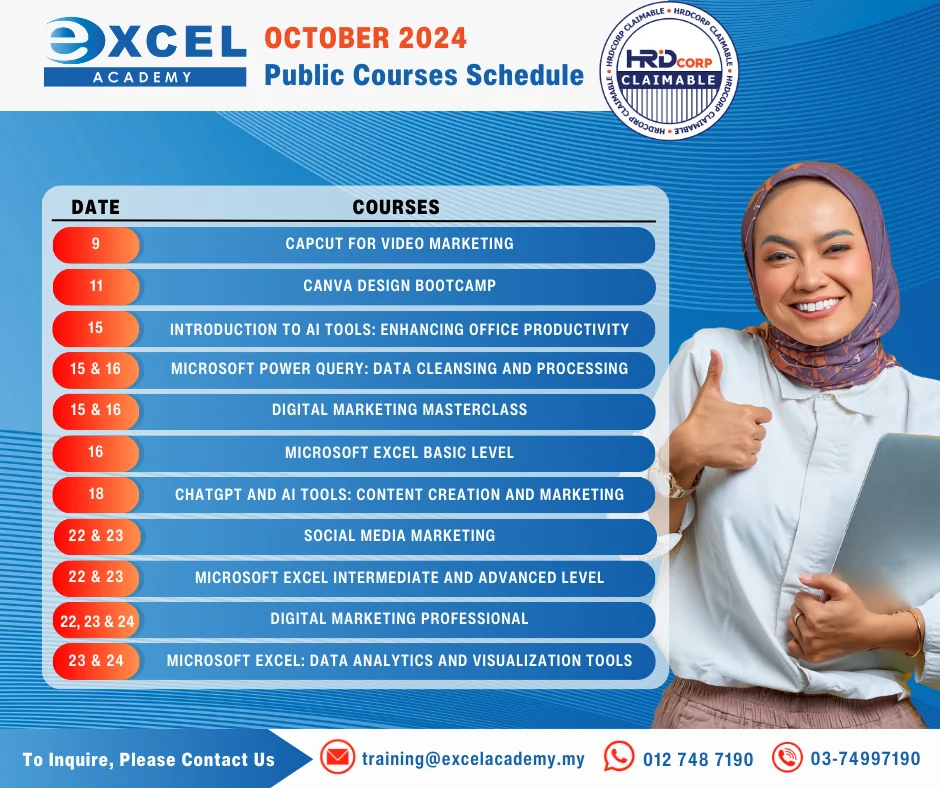
Join our HRD Corp Claimable training to enhance your conflict resolution skills in various fields, including digital marketing, IT, multimedia, soft skills, and more. Contact us now to learn more about our training programs and how they can benefit you and your organization.

![[HRD Corp Claimable Course] – October – December Trainings](https://www.excelacademy.my/wp/wp-content/uploads/2024/10/HRDCorpClaimableCourse-October-ExcelAcademy-500x383.webp)
![[HRD Corp Claimable Course] – August-November Trainings](https://www.excelacademy.my/wp/wp-content/uploads/2024/07/HRDCoprClaimableCourse-August-ExcelAcademy-500x383.webp)
![[HRD Corp Claimable Course] Digital Marketing Masterclass](https://www.excelacademy.my/wp/wp-content/uploads/2024/05/HRDCorpClaimableCourse-Digital-Marketing-Masterclass-ExcelAcademy-500x383.webp)
![[HRDCorpClaimable] – In-House Training](https://www.excelacademy.my/wp/wp-content/uploads/2024/05/HRDCorpClaimable-In-House_Training-Excel-Academy-500x383.webp)
![[HRD Corp Claimable Course] – Microsoft PowerPoint Intermediate to Advanced Level for Areca Capital Sdn Bhd](https://www.excelacademy.my/wp/wp-content/uploads/2024/05/HRDCorpClaimable-Microsoft-PowerPoint-Intermediate-to-Advanced-Level-for-Areca-Capital-Sdn-Bhd-500x383.webp)




Leave A Comment